

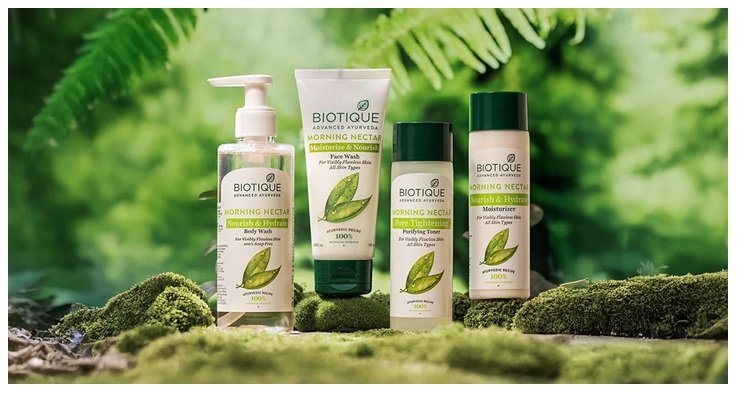

Having oily skin can be frustrating, especially when your face becomes shiny, greasy, or prone to blackheads and breakouts. The good news is that oily skin does not need an aggressive or complicated skincare routine. The right combination of a gentle cleanser, lightweight moisturizer, suitable treatment ingredients, and daily sunscreen can help control excess oil while keeping the skin barrier healthy.
Dermatologists recommend avoiding harsh cleansing and choosing products labeled oil-free and non-comedogenic, meaning they are less likely to clog pores. Washing the face up to twice daily and after sweating can also help manage excess oil.
What Is Oily Skin?
Oily skin occurs when the sebaceous glands produce more sebum than the skin needs. Sebum is a natural oil that helps protect the skin, but excessive amounts can make the face look shiny and can contribute to clogged pores and acne.
Common signs of oily skin include:
- Shiny or greasy appearance
- Enlarged-looking pores
- Blackheads and whiteheads
- Frequent pimples
- Makeup that becomes oily quickly
- Excess oil around the forehead, nose, and chin
Some people have completely oily skin, while others have combination skin, where the T-zone is oily, but the cheeks are relatively normal or dry.
Best Skincare Routine for Oily Skin
A good oily-skin routine does not need 10 or 12 products. A simple routine that you can follow consistently is often more useful than using many active ingredients at once.
Morning Routine
Step 1: Gentle Cleanser
Start with a mild, gentle cleanser. A foaming cleanser can be useful for oily skin, but avoid extremely harsh cleansers that leave your face feeling tight or burning.
Dermatologists recommend cleansing up to twice daily and after sweating rather than repeatedly washing the face throughout the day.
Step 2: Treatment Serum
If you want to add a treatment product, choose an ingredient according to your main concern.
For example:
- Niacinamide: can help with the appearance of oily and shiny skin.
- Salicylic acid: helps unclog pores.
- Azelaic acid: can be useful for acne-prone skin and post-acne dark spots.
Do not introduce several active ingredients at the same time. Start with one and see how your skin responds.
Step 3: Lightweight Moisturizer
Oily skin still needs hydration. Choose a lightweight, oil-free or non-comedogenic moisturizer. Gel-based moisturizers can feel more comfortable on oily skin.
Step 4: Sunscreen
Finish your morning routine with a broad-spectrum sunscreen of SPF 30 or higher. For oily or acne-prone skin, look for products labeled non-comedogenic or oil-free.
Night Routine
At night, keep the routine simple:
- Gentle cleanser
- Treatment product if needed
- Lightweight moisturizer
If you use an acne treatment such as salicylic acid or adapalene, introduce it gradually because these ingredients can cause dryness or irritation.
Best Ingredients for Oily Skin
Choosing products based on ingredients is often more useful than choosing products simply because they are marketed for oily skin.
| Ingredient | Potential Benefit |
|---|---|
| Salicylic acid | Helps unclog pores and reduce breakouts |
| Niacinamide | Can help reduce the appearance of oiliness and shine |
| Azelaic acid | Helps with acne and post-acne dark spots |
| Hyaluronic acid | Provides lightweight hydration |
| Glycerin | Helps attract and retain water |
| Ceramides | Support the skin barrier |
| Zinc oxide | Useful in some sunscreens for acne-prone skin |
Salicylic acid is particularly useful for oily and acne-prone skin because it can help unclog pores. Over-the-counter products commonly contain concentrations from 0.5% to 2%.
Is Salicylic Acid Good for Oily Skin?
Yes, salicylic acid can be a useful ingredient for oily and acne-prone skin.
It is a beta hydroxy acid (BHA) that helps remove dead skin cells and unclog pores. It can therefore be useful for blackheads, whiteheads, and congestion.
However, more is not necessarily better. Excessive use can cause dryness, redness, and irritation. If your skin becomes irritated, reduce the frequency or switch temporarily to a gentle cleanser and moisturizer.
Is Niacinamide Good for Oily Skin?
Niacinamide is another popular ingredient for oily skin. It can be included in a serum or moisturizer and may help improve the appearance of excess shine and support overall skin health.
The American Academy of Dermatology lists niacinamide among ingredients that may benefit oily or acne-prone skin.
If you are new to niacinamide, start with a simple product rather than combining it with several other strong active ingredients.
Why Oily Skin Still Needs Moisturizer
One of the most common mistakes people with oily skin make is skipping moisturizer.
Oily skin can still become dehydrated or irritated. Some acne treatments, including salicylic acid and retinoids, can also dry the skin. A suitable moisturizer can help maintain the skin barrier and improve tolerance of acne treatments.
For oily skin, look for:
- Oil-free formulas
- Non-comedogenic products
- Lightweight gel or lotion textures
- Fragrance-free options if your skin is sensitive
Best Sunscreen for Oily Skin
Sunscreen should be used every day when you are exposed to daylight.
For oily skin, choose a sunscreen that is:
- Broad-spectrum
- SPF 30 or higher
- Non-comedogenic
- Lightweight
- Comfortable enough to use every day
Some people with oily or acne-prone skin prefer gel, fluid, or matte-finish sunscreens because they feel lighter and reduce visible shine.
Oily Skin and Acne
Oily skin does not automatically mean you will develop acne, but excess oil can contribute to clogged pores.
If you frequently develop pimples, blackheads, or whiteheads, ingredients such as salicylic acid or benzoyl peroxide may be useful. Adapalene is another evidence-based acne treatment that helps prevent clogged pores and new breakouts.
However, persistent or severe acne may require professional treatment.
Common Skincare Mistakes for Oily Skin
1. Washing Your Face Too Much
Washing repeatedly throughout the day can irritate the skin. Dermatologists generally recommend cleansing up to twice daily and after sweating.
2. Using Harsh Face Washes
A cleanser that makes your skin extremely dry or tight is not necessarily working better.
Very harsh products can irritate the skin and may make oil control more difficult.
3. Scrubbing the Face
Physical scrubbing can irritate acne-prone skin. Gentle cleansing is usually a better approach.
4. Skipping Moisturizer
Oily skin still needs hydration. Choose a lightweight, non-comedogenic moisturizer instead of avoiding moisturizer completely.
5. Skipping Sunscreen
Sun protection is an essential part of a daily skincare routine and can also help reduce the worsening of post-acne discoloration.
6. Using Too Many Active Ingredients
Combining several acids, retinoids, and acne treatments at once can cause irritation.
A simple routine is often easier to maintain and easier on your skin.
Simple Oily Skin Routine
If you want the simplest possible routine, start here:
| Time | Routine |
|---|---|
| Morning | Gentle cleanser → lightweight moisturizer → SPF 30+ sunscreen |
| Night | Gentle cleanser → treatment if needed → moisturizer |
| After sweating | Gently cleanse or rinse as appropriate |
Once your skin is comfortable with this routine, you can consider adding a targeted treatment.
Best Routine for Oily Skin With Acne
If oily skin is accompanied by frequent acne, a routine could look like:
Morning
- Gentle cleanser
- Lightweight moisturizer
- Non-comedogenic SPF 30+ sunscreen
Night
- Gentle cleanser
- Salicylic acid or another appropriate acne treatment
- Lightweight moisturizer
Do not start multiple acne treatments simultaneously. If you experience significant redness, burning, swelling, or persistent irritation, stop the irritating product and seek professional advice.
Best Routine for Oily Skin With Dark Spots
Dark marks can remain after acne clears, particularly after inflammatory breakouts.
A basic routine should focus on:
- Gentle cleansing
- Sun protection
- Non-comedogenic moisturizer
- A suitable treatment such as azelaic acid when appropriate
Daily sunscreen is particularly important because UV exposure can worsen discoloration.
Can Oily Skin Become Dry?
Yes. Oily skin can become dehydrated or irritated, particularly when someone uses harsh cleansers or too many active treatments.
The goal is not to remove every trace of oil. The goal is to control excess oil while maintaining a healthy skin barrier.
How Long Does It Take to See Results?
Skincare does not usually produce dramatic changes overnight.
Some ingredients may improve oiliness or congestion gradually, while acne treatments can take several weeks to show meaningful improvement. Consistency is more important than constantly changing products.
If a product causes severe irritation, continuing to use it simply because it is supposed to be effective is not a good strategy.
When Should You See a Dermatologist?
Consider seeing a dermatologist if you have:
- Severe or painful acne
- Deep cystic pimples
- Acne that leaves scars
- Persistent dark spots
- Severe skin irritation
- A rash or unexplained skin changes
- Acne that does not improve with an appropriate routine
A dermatologist can determine whether the problem is simple oily skin, acne, another skin condition, or a combination of issues.
Frequently Asked Questions
What is the best skincare routine for oily skin?
A simple routine includes a gentle cleanser, lightweight non-comedogenic moisturizer, and broad-spectrum SPF 30+ sunscreen. A targeted treatment such as salicylic acid can be added when appropriate.
Is moisturizer necessary for oily skin?
Yes. Oily skin can still become dehydrated or irritated. Choose a lightweight, oil-free or non-comedogenic moisturizer.
Which acid is best for oily skin?
Salicylic acid is commonly used for oily and acne-prone skin because it can help unclog pores.
Can I use niacinamide with oily skin?
Yes. Niacinamide is commonly used in products designed for oily and acne-prone skin and may help reduce the appearance of shine.
How many times should oily skin be washed?
Dermatologists recommend cleansing up to twice daily and after sweating. Avoid repeatedly washing or aggressively scrubbing the skin.
Should oily skin use sunscreen?
Yes. Use a broad-spectrum SPF 30 or higher sunscreen. If you are acne-prone, look for a non-comedogenic formula.
Is oily skin bad?
No. Sebum helps protect the skin. The goal is to manage excess oil without damaging the skin barrier.
Conclusion
The best skincare for oily skin is not necessarily the most expensive or complicated routine. A consistent routine built around gentle cleansing, lightweight hydration, appropriate acne or oil-control ingredients, and daily sunscreen can provide a strong foundation.
Salicylic acid can help with clogged pores, while niacinamide may be useful for oily or shiny skin. Most importantly, avoid harsh scrubbing, excessive cleansing, and using too many active ingredients at once.
If oily skin is accompanied by persistent or severe acne, scarring, or significant irritation, professional dermatological advice is the safest way to find an appropriate treatment plan.
Leave a Reply